Men's Style
Interview Outfits for Men: What to Wear by Company Dress Code

The best interview outfit makes sense for the employer and lets you focus on the conversation. A suit can be appropriate for a formal firm, while the same suit may be more dressy than necessary for a workplace that has explicitly requested business casual. The first decision is about context, not a particular brand or price.
Ask the recruiter whether the interview has a dress code. A simple question—“Would business professional or business casual be more appropriate?”—usually gives you more useful information than guessing from a company’s social media photos.
Decide how formal the interview should be
Harvard career guidance recommends business formal for interviews unless the employer gives different instructions. Treat that as a useful conservative starting point, then follow clear employer guidance and account for the role, interview location and industry.
| Employer guidance | Practical starting outfit | What to confirm |
|---|---|---|
| Business professional | Navy or charcoal suit, plain shirt, tie and dress shoes | Whether there are additional role-specific expectations |
| Business casual | Button-up shirt, tailored trousers, leather shoes; blazer if appropriate | Whether a jacket is expected for the interview |
| Clearly casual | Clean chinos, a collared shirt or refined knit, tidy shoes | Whether denim or sneakers are specifically acceptable |
| Unclear | Ask the recruiter before choosing | Do not rely on one employee’s casual photograph |
A full suit is a matching jacket and trousers made to be worn together. A blazer and contrasting trousers can look polished, but they do not automatically satisfy a business professional requirement.
Build a business professional interview outfit
A dark navy or charcoal suit is a versatile starting point if you already own one that fits. Pair it with a plain white or light blue shirt and a restrained tie. Choose shoes that are clean and comfortable, with a belt that works with their color rather than trying to match every accessory perfectly.
Fit deserves more attention than decorative details. The jacket should close without obvious pulling, the shirt collar should feel comfortable, and the trousers should let you sit naturally. Walk and sit in the complete outfit before the interview. If the suit needs alterations, leave enough time for a tailor rather than making last-minute changes yourself.
You do not need a pocket square, novelty cufflinks or a new designer watch. A neat outfit in good condition is a stronger foundation than many competing accessories.
Build a business casual interview outfit
Start with navy, gray or tan trousers and a pressed button-up shirt. Add a blazer when the company guidance or role makes it useful. A light blue shirt, charcoal trousers and dark brown shoes offer a straightforward combination; a navy blazer can make it more formal without changing every piece.
Avoid assuming that “business casual” means your normal weekend outfit. Athletic clothing, graphic shirts and heavily distressed denim often introduce uncertainty. If denim is allowed at the company but the interview guidance is unclear, trousers are the simpler choice.
Our business casual guide for men explains how these separates work together. For shoe options, see business casual shoes for men.
Adapt the outfit for the interview setting
In person: Check the travel route and forecast. Choose an outer layer that protects the outfit without making you uncomfortable. Carry a small umbrella if appropriate, and bring documents in a tidy folder or bag.
On video: Try your outfit on camera with the lighting and background you will actually use. Very busy patterns can be distracting on screen. Wear the complete outfit so that standing up or adjusting your setup does not become a problem. Keep the camera at a comfortable height and test the connection separately from choosing clothes.
Practical or site-based interview: Follow any safety, uniform or footwear instructions from the employer. General office styling advice does not override site rules. Ask whether there will be a tour or hands-on component before selecting shoes.
Use what you own before buying
Lay out a complete outfit, including socks, shoes and outerwear. If the only problem is a wrinkled shirt or worn shoelaces, solve that specific problem. Borrowing or tailoring can be more useful than buying a whole new wardrobe, provided the final outfit is comfortable and suitable.
If you do buy something, choose a piece that also works for future workdays or events. A plain shirt or adaptable trousers are easier to reuse than an elaborate interview-only outfit.
The evening-before checklist
- Confirm the employer’s instructions and your arrival or login time.
- Inspect the outfit for stains, loose buttons and obvious wear.
- Sit, stand and walk in the shoes and trousers.
- Prepare your bag, documents and weather layer.
- Leave enough morning time to get dressed without rushing.
Is a tie always required?
No. A tie is a sensible part of a business professional outfit, but a company that explicitly requests business casual may not expect one. Ask when the instruction is ambiguous.
Should I wear black or brown shoes?
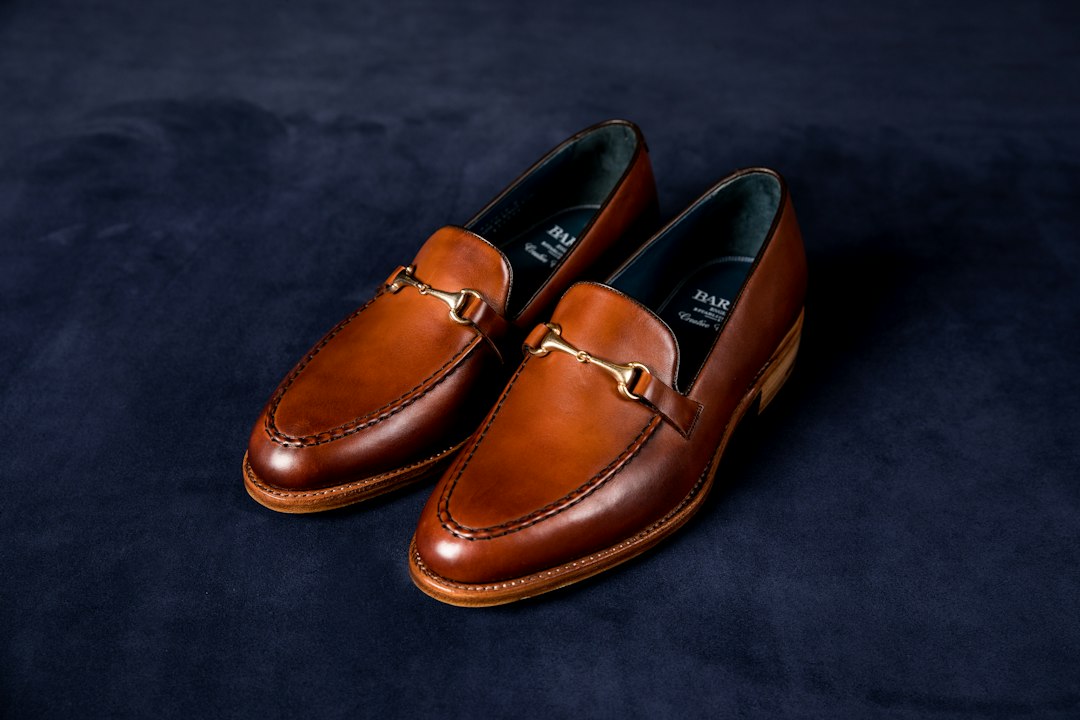
Either can work with an appropriate outfit. Focus on the suit or trouser color, the formality of the shoe and its condition. Clean, comfortable shoes are more useful than an exact color rule applied without context.
Will dressing well get me the job?
Clothing helps you arrive prepared and meet expectations. It does not replace relevant experience, clear answers or a thoughtful conversation.
Source and further guidance
Related style guides
Prepared by MyStyleRoute Editorial with AI-assisted research and drafting. Outfit examples are editorial suggestions; we have not personally tested every combination. Employer and venue rules take priority.