Men's Style
Winter Business Casual for Men: Warm Layers and Office Outfits
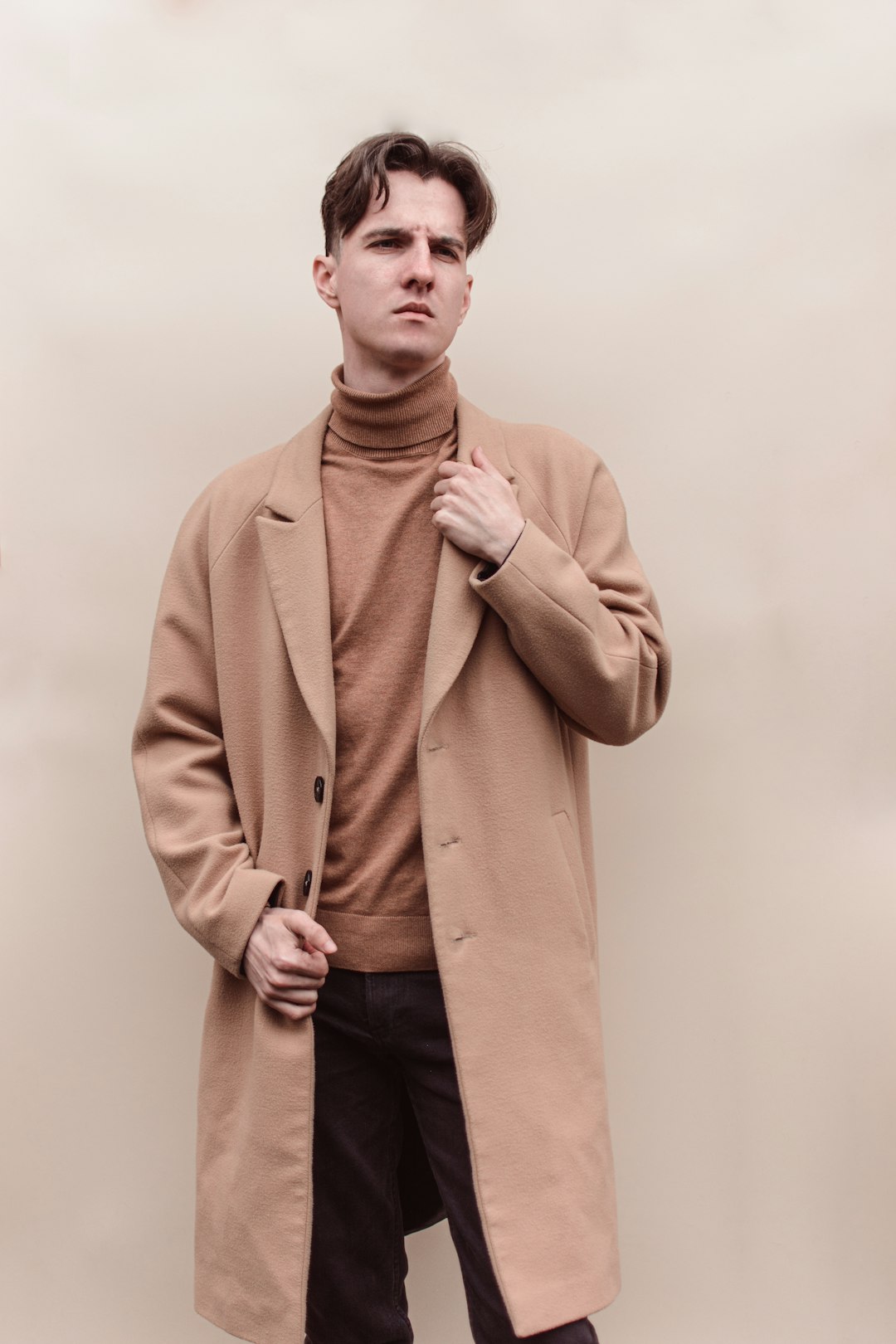
A winter office outfit has two jobs: get you through a cold commute and feel comfortable once you reach a heated building. Wearing your heaviest sweater indoors often solves the first problem while creating another. A more practical approach is to build a polished base outfit, add a removable indoor layer, then choose an outdoor coat for the weather.
Business casual still depends on your employer. Before buying anything, look at the written dress policy and what people in comparable roles actually wear. The outfits below are starting points for offices that allow tailored separates rather than requiring suits.
Start with the indoor outfit
Build the outfit you would comfortably wear at your desk first. A button-up shirt with straight or gently tapered trousers is an adaptable base. A fine-gauge knit can replace the shirt in a relaxed office, provided the neckline, fit and condition feel appropriate for your workplace.
Choose trousers with enough room to sit without pulling across the thighs. If you add a thermal layer underneath, try the trousers on with it; a pair that fits well on its own may become tight with an extra layer. A trouser hem that stays clear of slush is practical, but deliberately short trousers are not the only solution. Check the length with your actual winter shoes.
Use three layers with different jobs
- Base: A shirt, polo knit or lightweight sweater that looks complete without the other layers.
- Indoor layer: A cardigan, unstructured blazer or sweater that you can remove without disturbing the outfit.
- Outdoor layer: A coat or weather-appropriate insulated jacket for the commute.
Do not assume that a wool-looking coat is waterproof or that a thick sweater blocks wind. Read the garment’s care and performance information. For wet conditions, use outerwear designed for those conditions instead of treating a fashion coat as technical equipment.
When checking layers, raise your arms and sit down. The shirt should not bunch uncomfortably under the knit, and the jacket sleeves should not feel packed. If every piece is slim, the combined outfit may need more room.
Five winter office outfit formulas
| Situation | Indoor outfit | Outdoor finish |
|---|---|---|
| Regular desk day | Blue Oxford shirt, charcoal trousers, navy cardigan | Coat with room for the cardigan; weather-suitable shoes |
| Client-facing meeting | White shirt, navy trousers, textured gray blazer | Simple dark overcoat; polished leather shoes carried separately if needed |
| Relaxed creative office | Cream crewneck, olive chinos, dark brown belt | Insulated jacket; clean dark boots if permitted |
| Cold morning, warm afternoon | Lightweight knit polo, gray trousers, removable cardigan | Midweight coat selected for the forecast |
| Friday in a denim-friendly office | Dark, undamaged jeans, button-up shirt, plain sweater | Clean boots and a tidy coat |
The final formula only works where denim is allowed. If you are unsure, use chinos and keep the rest of the outfit the same. For that decision, read our business casual jeans guide for men.
Choose shoes for both the journey and the office
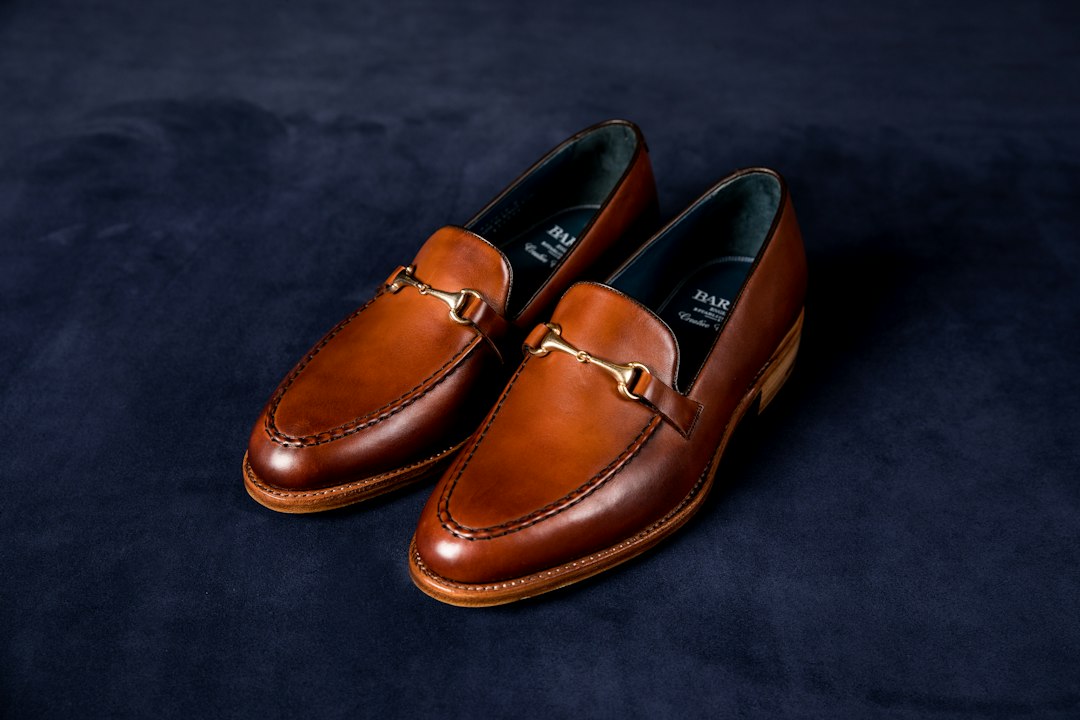
A refined leather boot can work with trousers in some offices. A heavy hiking boot may be useful outdoors but look too casual for an indoor meeting. If your commute regularly involves rain or slush, consider changing shoes at work rather than forcing one pair to meet every need.
Check the manufacturer’s instructions for water resistance and care. A rubber sole does not automatically make a shoe waterproof or slip-resistant. Leave wet shoes to dry according to their care guidance, and keep a spare pair of socks if your journey warrants it.
Make color combinations easy
Start with two familiar neutral colors and one softer accent. Navy trousers, a pale blue shirt and a gray cardigan are easy to repeat with different coats. Olive chinos, a cream sweater and a brown belt create another useful combination without requiring a matching set.
Texture can add interest without loud patterns: a smooth shirt beneath a knit cardigan, or a subtly textured blazer over a plain sweater. If you add a patterned scarf, let the indoor outfit stay simple. You should still like the outfit after the scarf and coat come off.
Check the outfit before leaving
Try the complete combination, including your bag. Look for lint, pilling, a strained shirt collar or a coat that pulls over the layers. Place anything you will remove indoors somewhere manageable rather than carrying loose accessories all day.
For a broader explanation of workplace formality, see business casual for men. Use that dress-code baseline first, then adapt the layers to your local forecast and commute.
Common questions
Can a turtleneck be business casual?
A plain, well-fitting turtleneck can work in an office that accepts knitwear, particularly with tailored trousers. It is not a substitute for a required shirt and tie. Check whether it feels comfortable under your chosen jacket before wearing it for a full day.
Do I need a blazer every day?
Only if your workplace expects one. A tidy cardigan or sweater may be sufficient in a relaxed office. Keep a blazer available for meetings if the level of formality changes during the week.
Can I wear thermal layers?
Yes, if they remain comfortable and unobtrusive under the outfit. Check the neckline and sleeve length, and avoid adding so much bulk that the shirt or trousers stop fitting properly.
Related style guides
Prepared by MyStyleRoute Editorial with AI-assisted research and drafting. Outfit examples are editorial suggestions; we have not personally tested every combination. Employer and venue rules take priority.