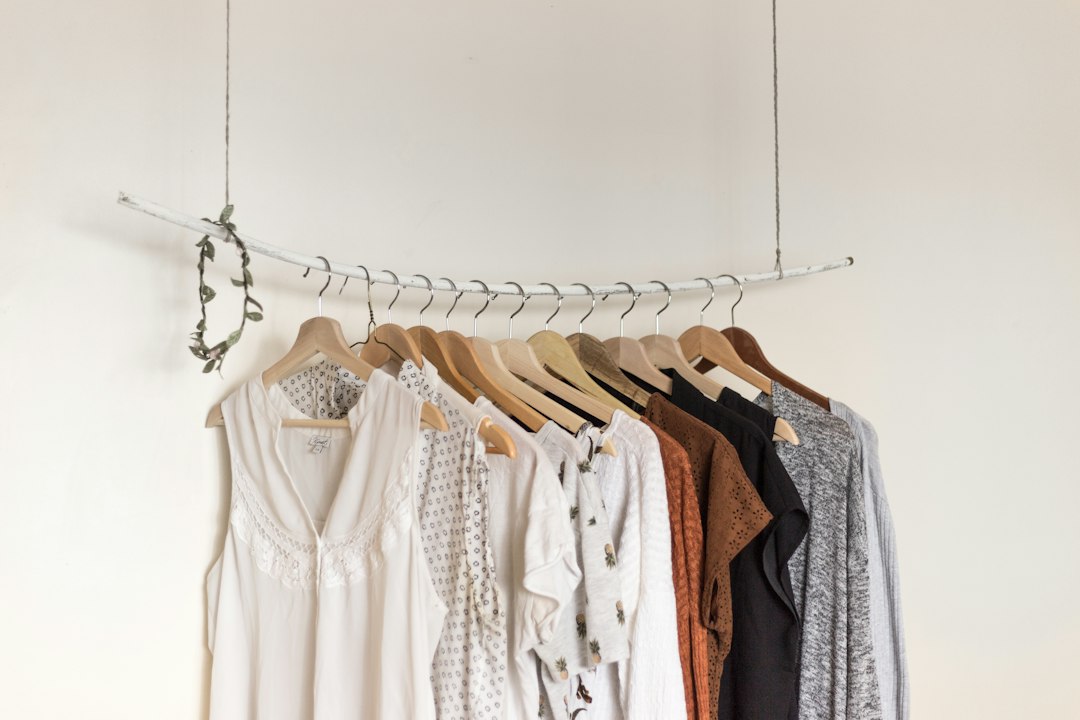
Capsule Wardrobe
Fall Capsule Wardrobe: Layers, Essentials and Outfit Combinations

A fall capsule wardrobe should help you get dressed when a cool morning turns into a mild afternoon. Instead of replacing your summer clothes with an entirely new collection, start by checking which existing pieces can work with a light jacket, cardigan or different shoes.
Your location matters more than the season’s label. Fall in a warm city may call for light layers, while an early cold spell elsewhere can require a substantial coat. Build around the weather you normally experience and the activities in your calendar.
Begin with a wardrobe inventory
Sort your clothes into pieces you can wear now, pieces that work with an added layer and pieces that genuinely belong to another season. Try on the middle group before ruling it out. A short-sleeve top may work under a cardigan; lightweight trousers may remain useful until temperatures drop further.
Check the condition of the pieces you use most. Repair a loose button, clean shoes according to their care instructions and remove items that do not fit your current needs from the working capsule. Keep a separate list of possible replacements rather than treating every imperfection as a reason to shop.
Choose a base palette with room for personality
One practical combination is navy, denim blue and cream with rust or olive accents. Another is black, gray and white with burgundy. These are examples, not required “fall colors.” If you enjoy pink, bright blue or prints, use them where they coordinate with your existing clothes.
Look at complete outfits rather than isolated colors. A patterned shirt might connect three otherwise unrelated pieces. Conversely, several nearly matching browns may feel awkward together even though they all appear neutral on a checklist.
A flexible 14-piece example
| Group | Example pieces | Purpose |
|---|---|---|
| Four everyday tops | Two plain tops, a button-up shirt, a patterned top | Comfortable bases with different visual effects |
| Two knits | A light crewneck, a cardigan | Removable warmth |
| Three bottoms | Straight jeans, tailored trousers, a second casual bottom | Cover everyday and more polished plans |
| Two jackets | An unstructured blazer, a weather-suitable casual jacket | Change formality and outdoor comfort |
| Three shoe pairs | Loafers, clean sneakers, weather-appropriate boots | Match different activities and conditions |
The example includes shoes and excludes accessories and underwear. Swap a bottom for a skirt or dress if you wear those regularly. If the weather is still warm, you may need fewer knits; if you rarely wear sneakers, another everyday shoe can do that job.
Make a combination map before buying
Test each bottom with at least two tops and one layer. Then add shoes you can comfortably wear for the intended activity. The goal is to find real combinations, not to multiply every top by every bottom and assume the result is wearable.
| Outfit | Base | Layer | Useful setting |
|---|---|---|---|
| 1 | Plain cream top and straight jeans | Olive casual jacket | Errands or a café visit |
| 2 | Blue shirt and tailored trousers | Navy blazer | A polished daytime appointment |
| 3 | Patterned top and casual trousers | Plain cardigan | A relaxed indoor day |
| 4 | Light knit and jeans | Weather layer if needed | A cool morning out |
| 5 | Plain top and tailored trousers | Cardigan, with loafers | A business casual office that permits the combination |
Photograph the combinations you like. If one jacket works only with one outfit, decide whether that limited use is worth keeping in the capsule. A special favorite can still earn its place; it simply serves a different purpose from a frequently worn basic.
Plan for indoor and outdoor temperatures
Choose layers that come off cleanly. If a cardigan is your main indoor layer, make sure the top underneath looks and feels complete on its own. If the afternoon is warmer, you should not be left with a base that you only intended as underwear.
Read the outerwear’s care and performance details before relying on it in rain. A textured blazer is an outfit layer, not necessarily a weather barrier. Keep a suitable outdoor alternative available when conditions change.
Office outfits also need their own dress-code check. Our business casual guide for women and business casual guide for men can help you adapt a casual capsule without assuming every weekend piece belongs at work.
Shop for a specific missing function
After wearing the capsule for a week or two, note where it fails. Maybe you have plenty of tops but no comfortable rain-day shoes. Maybe every layer is too warm for your office. Name the problem before looking for a product.
A good addition should work with several existing pieces, fit your care routine and suit the actual season in your area. Avoid buying a “fall essential” simply because a list includes it.
Does a fall capsule have to be neutral?
No. Coordinating colors matter more than limiting yourself to neutrals. A bright knit can be a repeatable accent if it works with the bottoms and layers you already wear.
Can I keep summer clothes in the capsule?
Yes, when they remain comfortable and practical with the right layers. Keep checking weather, fit and fabric behavior rather than sorting clothes solely by a seasonal label.
Related style guides
Prepared by MyStyleRoute Editorial with AI-assisted research and drafting. Outfit examples are editorial suggestions; we have not personally tested every combination. Employer and venue rules take priority.