Men's Style
Loafers with a Suit: How to Choose the Style and Pairing
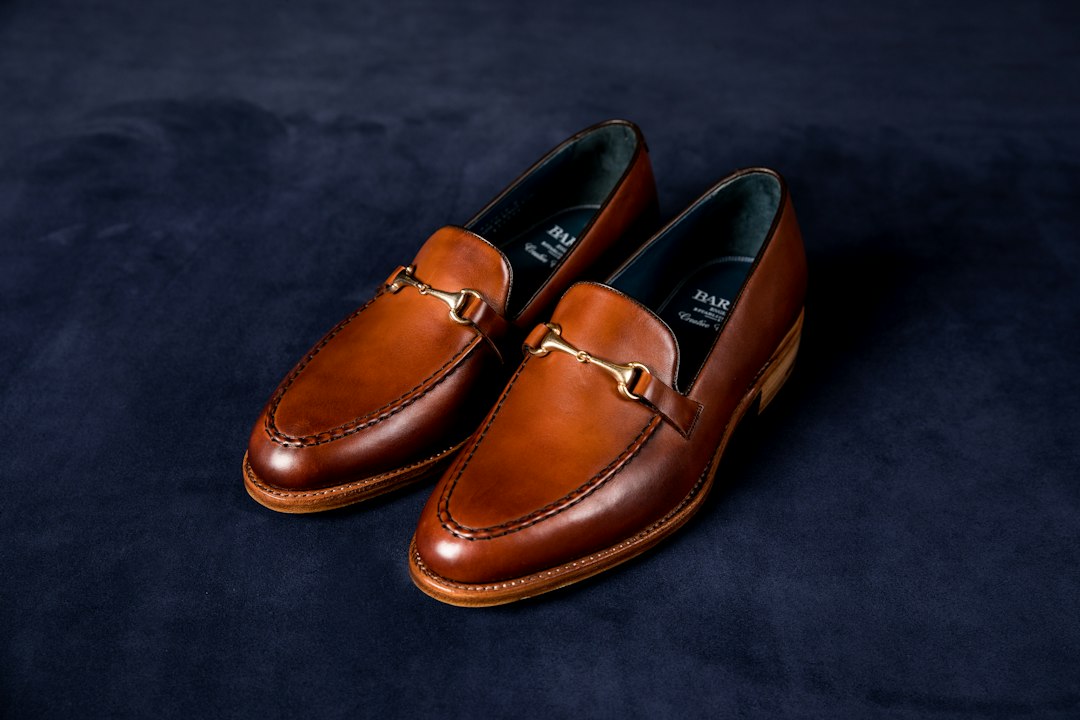
Loafers can work with a suit when the occasion allows their level of formality. A polished leather loafer with a clean profile can create a different effect from a casual suede or chunky version. The suit, trouser length and event rules all influence the pairing.
Start with the invitation or employer’s expectations. A suit does not automatically make every shoe suitable, and a loafer is not a universal replacement for the shoes required at a highly formal event.
Understand the loafer styles
| Style | Identifying detail | Pairing consideration |
|---|---|---|
| Penny loafer | Strap across the upper with a small opening | Simple versions can support a restrained suit outfit |
| Tassel loafer | Decorative tassels on the upper | Adds a visible detail; keep other accessories manageable |
| Bit loafer | Metal hardware across the upper | Consider how the hardware relates to other details |
| Very casual or chunky loafer | Heavier profile, casual finish or prominent sole | May suit a relaxed outfit better than a traditional formal suit |
These labels describe style features, not a guaranteed formality ranking. Allen Edmonds identifies several loafer categories, but individual construction, materials and proportions matter when selecting a pair for a suit.
Match the shoe’s character to the suit
A relatively streamlined leather loafer is an easy starting point with a conventional navy or charcoal suit in an occasion that permits it. A visibly relaxed suede pair may make more sense with a softer, less formal suit or separate trousers.
Look at the complete outfit rather than the shoe alone. A highly structured suit, formal shirt and tie can feel disconnected from a very casual loafer. If the combination looks inconsistent, change the shoe or choose a more relaxed outfit appropriate to the event.
Three suit-and-loafer combinations
Navy suit with a restrained loafer: Pair a navy suit with a plain shirt and simple dark leather loafers. Add a tie when the event expects one. Confirm that loafers are accepted if the occasion has a defined business professional requirement.
Charcoal suit with black loafers: Keep the shirt and accessories straightforward so the outfit reads as coordinated. A neat leather finish and comfortable fit are more useful than elaborate hardware.
Relaxed light-colored suit with suede-like texture: For a suitably casual warm-weather event, a less structured suit and a softer loafer can form a coherent outfit. This is not a substitute for a formal dress code, and weather conditions may make another shoe more practical.
Check the trouser hem with the shoes on
Loafers usually sit differently beneath a trouser hem than boots or larger lace-up shoes. Put on the actual pair before judging length. Look for excessive bunching or a hem that catches on the shoe while you walk.
There is no need to crop every suit trouser to show the ankle. Choose a length appropriate to the outfit and your preferences. If you need an alteration, explain the intended shoes and ask the tailor what will work with the garment.
Choose socks for comfort and context
Visible dress socks can create a straightforward, coordinated finish with a suit. Choose a color that works with the trousers and shoes, and check that the socks remain comfortable while seated.
If you prefer the appearance of no visible socks, consider a suitable liner rather than assuming you must wear the shoes directly against bare skin. Whether that appearance is appropriate depends on the occasion; a traditional workplace may expect visible dress socks.
Do not treat a sock choice as a universal sign of style. It is one small part of a complete outfit, and your comfort matters.
Inspect condition and fit
Try both shoes and walk on an appropriate indoor surface before committing to the pairing. A loafer that slips excessively or presses uncomfortably is not a good choice for a long event, even if it looks polished.
Follow the manufacturer’s care guidance for the material. Keep the finish tidy and check the soles before an important occasion. Avoid experimenting with an unfamiliar care product immediately before leaving.
For less formal office use, see business casual shoes for men and business casual shoes for women. This guide focuses specifically on the relationship between loafers and suits.
Can I wear loafers to an interview with a suit?
Possibly, if the shoes fit the employer’s expected formality. When the guidance is conservative or unclear, choose an established formal option you can wear comfortably and ask about the dress code.
Are brown loafers suitable with a navy suit?
They can be in an appropriate setting. Check the actual shades and finish together rather than relying solely on the color names.
Can loafers be worn for black tie?
Do not use an ordinary suit-and-loafer formula as black-tie guidance. Follow the event’s specific requirements and choose footwear appropriate to that separate dress code.
Source and further guidance
Related style guides
Prepared by MyStyleRoute Editorial with AI-assisted research and drafting. Outfit examples are editorial suggestions; we have not personally tested every combination. Employer and venue rules take priority.