Men's Style
Business Casual Shoes for Men: Styles and Outfit Pairings

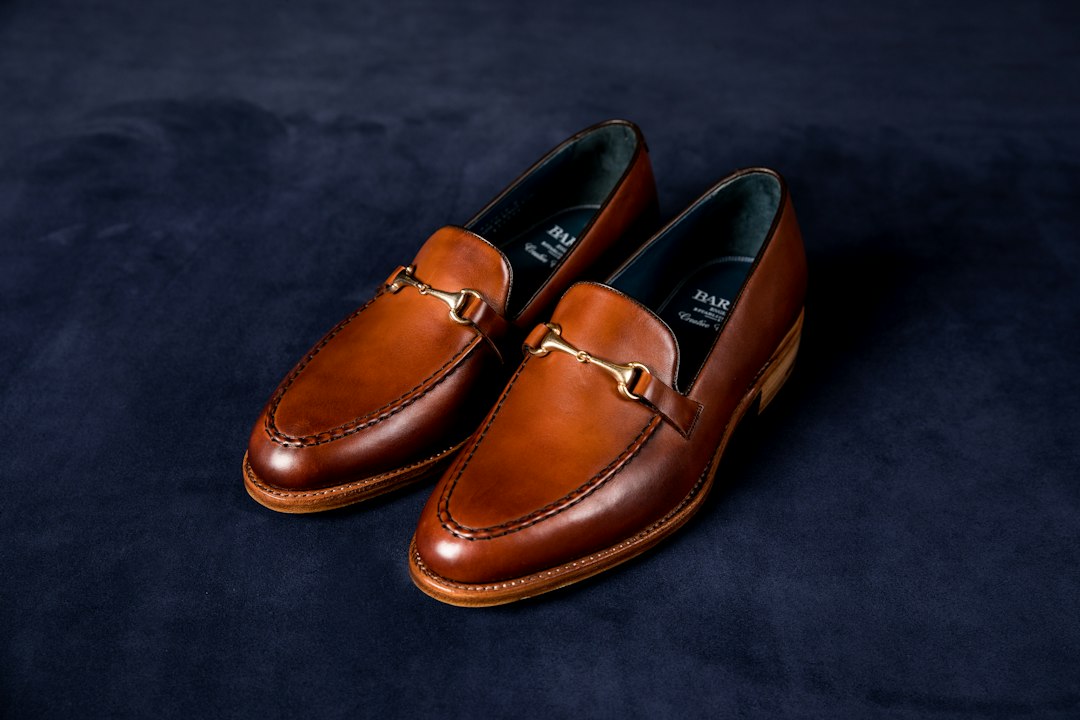
Business casual shoes for men commonly include loafers, derbies and simple leather boots, depending on the workplace. The best first pair works with your regular pants, fits comfortably and suits the walking or standing your role involves.
Start with an accepted everyday option before experimenting with more casual footwear. A product marketed as an office shoe is still something you need to assess against your employer’s policy and your own fit.
Compare styles by how you will use them
| Style | Useful pairing | Check |
|---|---|---|
| Loafers | Chinos or tailored trousers | Secure fit without laces |
| Derbies | Shirt and dress trousers | Lacing and room across the foot |
| Simple leather boots | Chinos and a knit layer | Shaft and trouser hem together |
| Minimal sneakers | Relaxed office separates | Employer permission |
Style names are useful for browsing, but they do not establish comfort, quality or dress-code acceptance. This guide does not provide wear-tested rankings of specific brands.
Assess the pair with your usual socks
Try both shoes and walk around. Check toe room, heel security and whether the upper presses uncomfortably. A slip-on should stay secure without requiring you to grip with your toes; a lace-up should allow adjustment without persistent pressure.
Different lasts and constructions fit differently even within the same labeled size. Review a seller’s sizing information and return policy, especially when ordering online. Do not assume that every tight shoe will become comfortable through wear.
Choose pants and shoes together
Loafers often work easily with chinos and tailored trousers. Boots may need a hem that clears or falls neatly over the shaft. Try the outfit while walking, since a pant leg can catch on a boot even if it looks fine standing still.
Dark denim can work with these shoes only where jeans are accepted. Our jeans guide covers that permission and the condition checks. Use our pants guide for non-denim alternatives.
Make color coordination simple
Brown shoes with navy or lighter chinos are one easy option; black shoes with gray or dark trousers are another. These are starting combinations, not mandatory color rules. Burgundy or a muted suede can also work where the workplace and weather suit them.
A belt and shoes do not need to be identical shades to form a coherent outfit. Keeping their formality and overall color family related is a simple approach when you are unsure.
Plan for condition, weather and exceptions
Use care products appropriate to the material and finish. Smooth leather, suede and synthetic uppers can require different methods. Follow product instructions and allow shoes to dry appropriately after wet conditions.
For slippery routes or roles requiring protective footwear, follow the actual safety requirements. An ordinary leather boot is not automatically a safety boot. You can keep a separate accepted pair at work when your commute needs different footwear.
Our sneaker guide explains relaxed-office options, and the main men’s guide brings shirts, pants and footwear together.
Can loafers work without a blazer?
Yes, where the dress code accepts the complete outfit. A collared shirt and suitable trousers can be enough; the occasion decides whether a jacket is needed.