Style Guides
Business Casual Shoes for Women: A Guide to Office Footwear

Business casual shoes for women should suit the workplace and the time you spend standing or walking. Loafers, flats, suitable boots and heels can each be useful options where the policy permits them. Heels are not a universal requirement for a polished office outfit.
Choose a dependable pair first, then check how your trousers, skirts and dresses work with it. A wardrobe is easier to use when the shoes and clothes are planned together.
Compare the main footwear choices
| Style | Easy outfit pairing | Check |
|---|---|---|
| Loafers | Trousers or a simple skirt | Heel security and upper fit |
| Flats | Dress, skirt or straight pants | Toe space and fit during walking |
| Ankle boots | Trousers or seasonal skirt outfits | How the shaft meets the hem |
| Heels | Dress or tailored pants | Stability and practical walking needs |
| Minimal sneakers | Tailored separates in relaxed offices | Explicit dress-code approval |
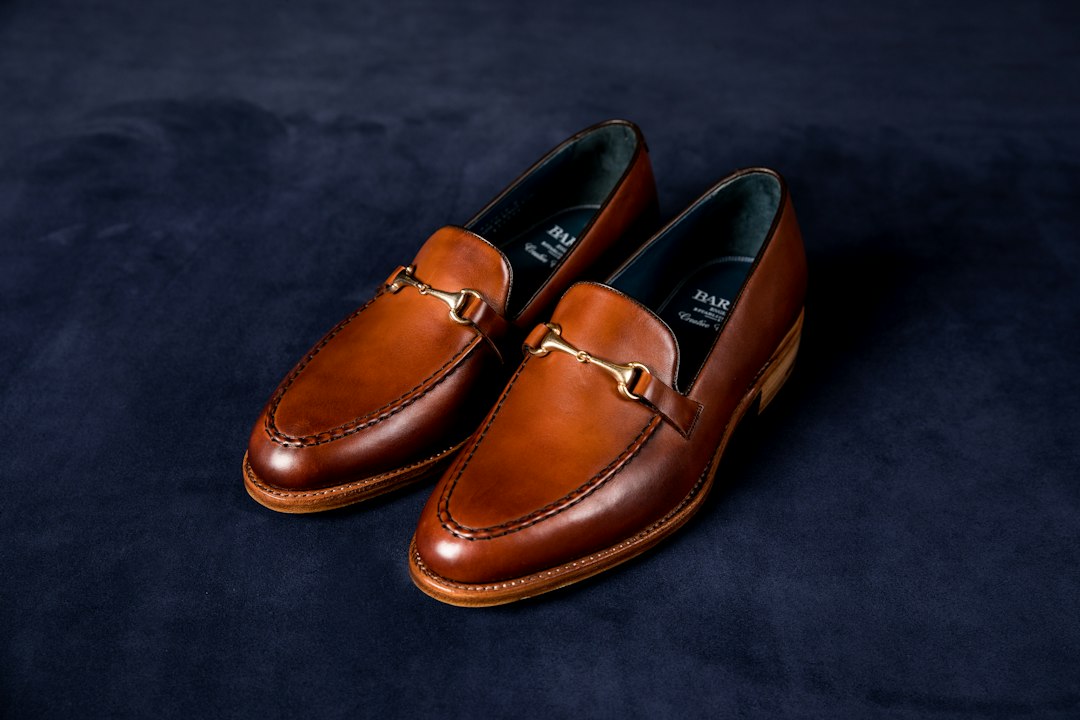
The loafer photo illustrates the footwear type, not a tested product or a gender-specific size range. Product shapes and sizing vary, so assess the actual pair you are considering.
Try shoes for your real workday
Use the socks or hosiery you plan to wear and walk around. Check for rubbing, cramped toes or a heel that slips repeatedly. An attractive photograph or a “comfort” product label does not establish that the shoe fits your foot.
Consider the route to work, stairs, standing tasks and any safety requirements. For persistent foot pain or a specific health concern, seek appropriate professional guidance rather than relying on a fashion article.
Pair trouser hems with the chosen shoes
A trouser hem that works with a heel may drag when you switch to flats. Try the complete outfit and walk a few steps. If you frequently change shoe heights, you may need different hem lengths or a trouser shape that is less sensitive to the switch.
With ankle boots, check whether the fabric sits over the shaft, above it or catches on it. There is no single acceptable gap for every outfit. Choose a combination that feels deliberate and comfortable.
Confirm open-toe and sneaker policies
Open-toe styles and sneakers are permitted in some workplaces and excluded in others. Check the written rules, including requirements connected to equipment, laboratories or other work environments. A smart appearance does not establish safety suitability.
If sneakers are accepted, see our sneaker styling guide. When the rules are unclear, an already accepted closed-toe option is a useful starting point.
Build a small practical shoe rotation
One everyday pair and one alternative for different weather or meetings can be enough to start. Choose colors that work with your existing bottoms rather than buying a separate pair for every outfit. Clean and store the shoes according to their care instructions.
If the commute needs weather-specific footwear, change into office shoes at work when practical. See winter work outfits for layering and commute ideas, and the main women’s guide for complete combinations.
Are black shoes the only professional choice?
No. Brown, burgundy and other colors can work when coordinated with the outfit and accepted by the workplace.