Men's Style
Business Casual for Men: A Practical Guide to Office Dressing
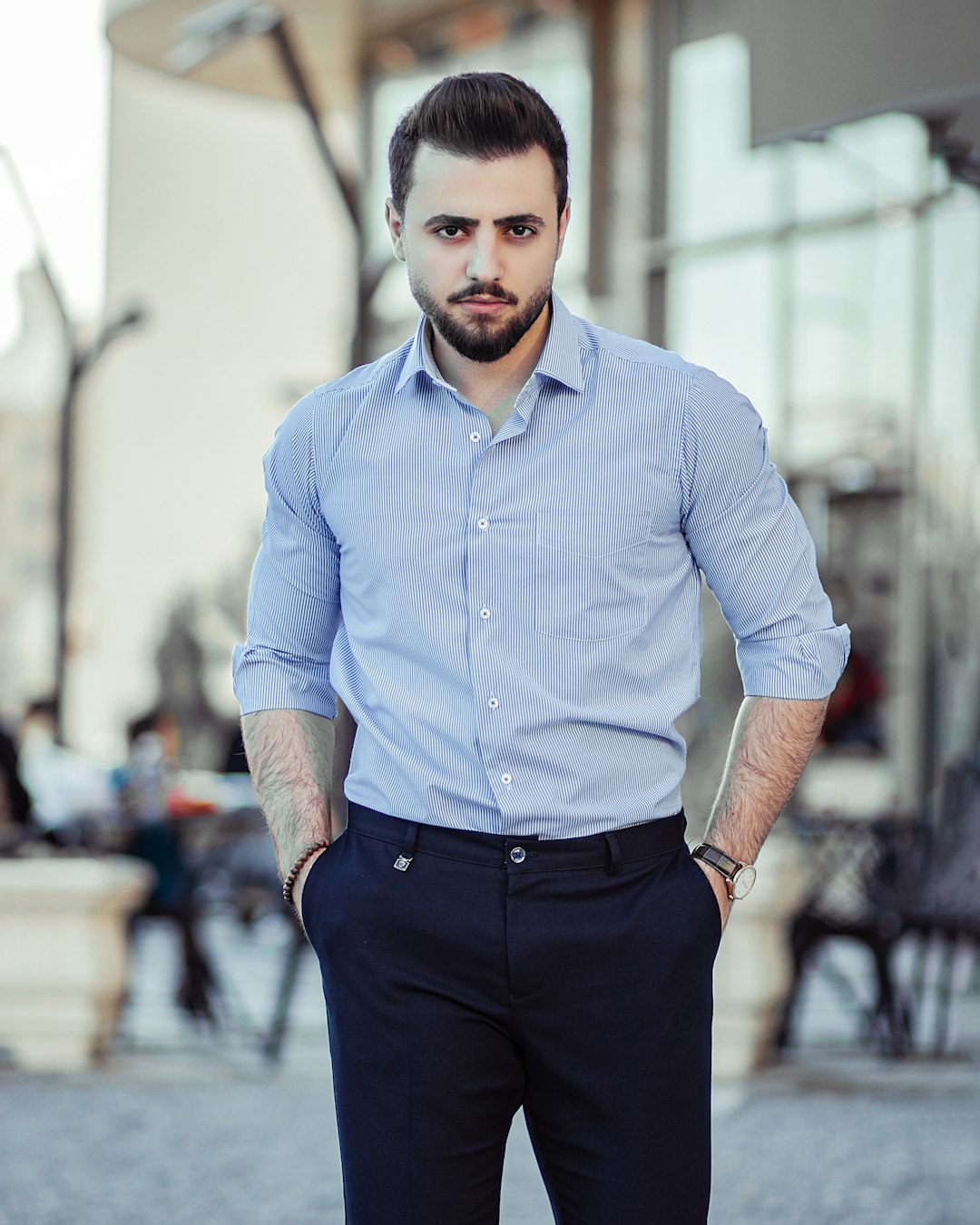
Business casual for men generally sits between a suit and weekend clothing. A button-up shirt, chinos or dress trousers, and leather shoes make a useful starting point. A tie is often unnecessary, but your employer’s policy and the occasion decide the final outfit.
Begin with one dependable combination: a light blue shirt, navy chinos and brown loafers. Then vary the fabric, layer or color according to the day. Looking put together does not require a large wardrobe or a new outfit for every meeting.
Read the dress code before buying clothes
Virginia Tech’s professional dress-code guide lists items such as collared shirts, polos, pressed pants and loafers within business casual, while distinguishing more relaxed dress. Actual workplaces can draw those lines differently.
Ask three questions: Are jeans permitted? Are sneakers acceptable? Does the role require a jacket for meetings? Also check footwear or clothing restrictions connected to safety. A general fashion article cannot override protective equipment requirements.
Five reliable office outfit formulas
| Situation | Combination | Check first |
|---|---|---|
| Ordinary office day | Button-up shirt + chinos + loafers | Fit, wrinkles and shoe condition |
| Meeting with visitors | Shirt + tailored trousers + unstructured blazer | Whether formal attire is required |
| Relaxed office | Solid polo + chinos + leather shoes | Whether polos are accepted |
| Cool weather | Collared shirt + knit sweater + trousers + boots | Room temperature and footwear rules |
| Approved casual Friday | Dark jeans + shirt + blazer | The actual denim policy |
You can repeat a combination with different shirts. Matching every leather accessory exactly is less important than keeping the outfit coherent and the pieces in good condition.
Choose between chinos, dress trousers and jeans
When the rest of an outfit feels uncertain, start with the trousers. A light blue shirt can look relatively relaxed over cotton chinos or more dressed up with pressed tailored trousers. Changing the trousers is often more useful than adding an accessory to an otherwise unsuitable outfit.
| Trouser | Pairing to try | What makes the combination work | Limit to check |
|---|---|---|---|
| Plain cotton chinos | Oxford-style shirt and simple leather loafers | A collared top and tidy shoes give the practical cotton base a more considered finish | Highly washed fabric or cargo pockets may read more casually than expected |
| Tailored dress trousers | Fine-gauge knit over a shirt, with derbies | The cleaner trouser line balances a softer sweater | A trouser-and-knit combination is still different from a matching suit |
| Dark, undamaged jeans | Plain shirt and textured blazer | The jacket supplies structure while the denim keeps the outfit relaxed | Use only when the employer permits denim for that occasion |
These are styling comparisons, not a universal formality scale. A very casual chino can be less suitable than a neat trouser in another material. Look at the actual finish, pockets, fit and workplace instructions together.
A five-day rotation without five different wardrobes
Use navy chinos, charcoal trousers, a pale blue shirt, a white shirt and a muted green knit as an example. On Monday, pair the pale blue shirt with the chinos. For Tuesday, wear the white shirt with the charcoal trousers. On Wednesday, add the knit over a clean shirt and use whichever trouser is ready to wear. Repeat a suitable base for Thursday’s meetings, then use a polo on Friday only if that office allows one.
This is a planning example, not a claim that the same shirt stays clean all week. Adjust the number of tops to your laundry schedule, weather and personal care needs. A repeatable combination is useful only when its pieces are available and in wearable condition.
Understand the shirt hem before deciding to tuck
Try the shirt both standing and sitting. A long curved hem that falls far below the jacket may be intended to sit inside the trousers; a shorter casual hem can work untucked in a relaxed setting. Neither a curved hem nor a particular measurement gives a universal rule. Check the complete proportions and any employer guidance.
If a tucked shirt bunches heavily at the waist, compare a different cut before adding more belt tension. If the hem repeatedly comes out when you reach forward, the shirt may be too short for the way you plan to wear it. The aim is a comfortable shape you can leave alone during the working day.
Plan for the commute separately from the office
A coat, umbrella and weather-suitable commuting shoes solve different problems from an indoor blazer. When you change shoes at work, try the trouser length with both pairs and carry the office shoes in a separate bag. A visibly heavy winter boot under a narrow hem may change how the trousers hang.
For a smaller collection that works together, see the men’s capsule wardrobe guide. If your question is specifically about a jacket and denim, the sport coat with jeans guide covers that pairing in more detail.
Fit makes simple clothes more useful
Check a shirt with your arms relaxed and then reaching forward. Buttons should not repeatedly pull open, and the collar should feel comfortable. Try trousers while seated as well as standing; neither persistent waistband pressure nor a belt fighting to hold them up makes a useful workday fit.
Choose your shoe pair before checking trouser length. A clean hem with little or moderate break is a practical option, but the exact look depends on your preference and the leg shape. Avoid hems that drag or bunch so much that walking becomes awkward.
Build around clothes you can combine
A workable starting set is two pairs of pants, three shirts, a knit layer and one or two shoe options. Navy, gray, light blue and off-white are easy to combine, but add colors you enjoy. Before buying another shirt, see whether it works with both pairs of pants.
Consider your weekly care routine. Read fabric and care labels, check whether a jacket is lined, and decide how much ironing or cleaning you will maintain. Expensive materials are not automatically better for your climate or workday.
Use our pants guide and shoe guide to choose the next piece deliberately.
Polos, jeans and sneakers are conditional
A solid polo with tailored pants can be appropriate where the policy accepts it. Large graphics, worn collars and stretched fabric can make the same category of shirt look much more casual. See how to style a polo for work.
Dark, intact denim and minimal sneakers may work in relaxed offices; they are not universal substitutes for trousers and leather shoes. Read our separate guides to men’s office jeans and business casual sneakers before relying on them.
Adjust for interviews and the season
Ask a recruiter what to wear to an interview. If business formal is expected, choose appropriate formal attire rather than assuming the employees’ everyday outfits are the interview standard. Keep a jacket available when your role includes unexpectedly formal meetings.
For warmer weather, lighten the fabric rather than automatically replacing trousers with shorts. Our summer outfit guide explains how to plan for both the outdoor commute and an air-conditioned office.
Does business casual require a blazer?
Not always. A blazer is a useful optional layer when the setting calls for more structure. The policy matters more than the label.
Should shirts be tucked in?
A long shirt designed to be tucked usually looks more deliberate that way. Shorter casual hems may work untucked in relaxed settings, provided the complete outfit fits the office.


