Women's Style
Interview Outfits for Women: Practical Looks by Dress Code
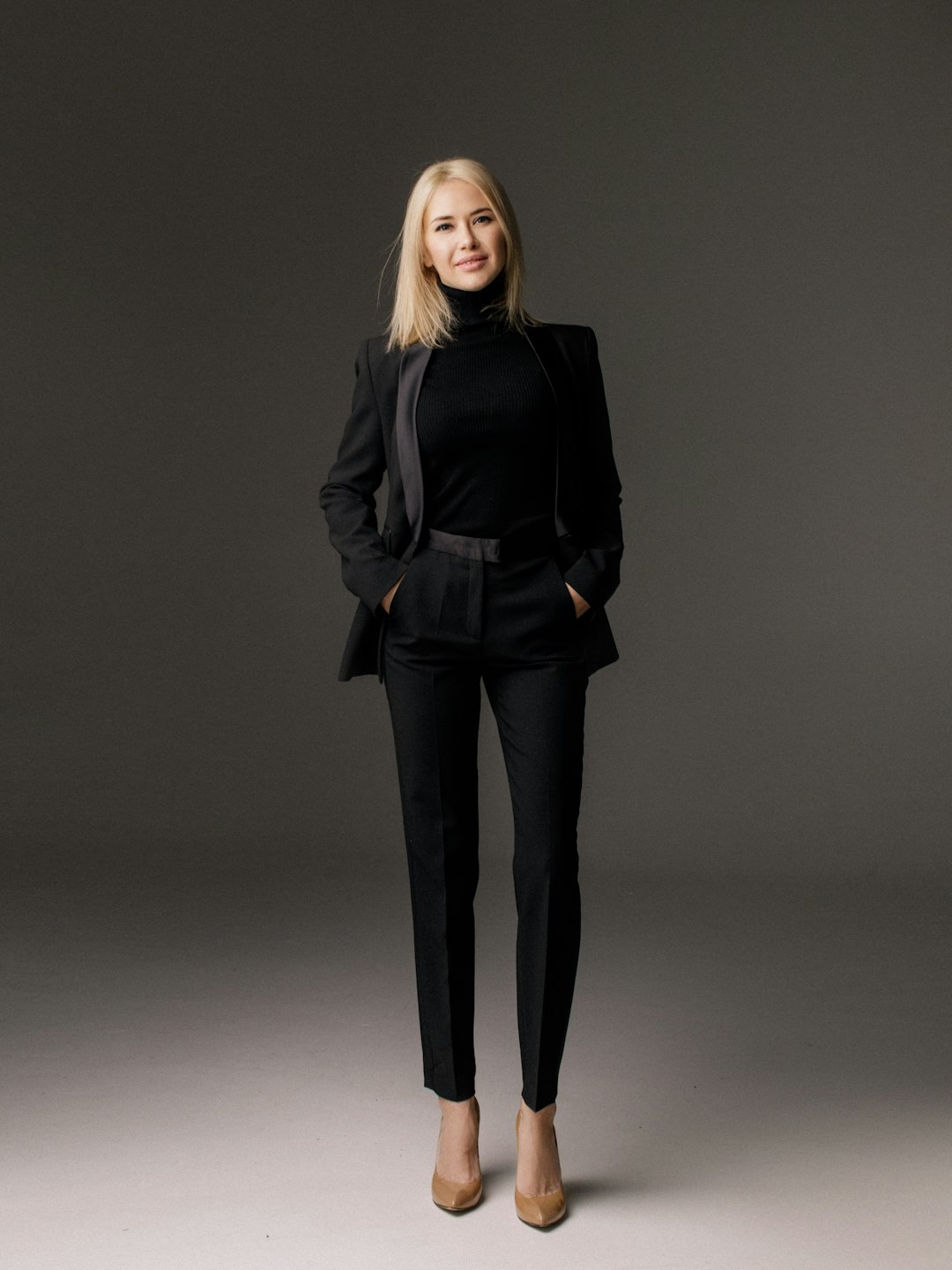
An interview outfit should suit the employer, feel comfortable through the appointment and leave you free to concentrate. You do not need an elaborate wardrobe or a rigid set of rules about heels, skirts or makeup. You do need to understand the expected level of formality.
Start by asking the recruiter whether the interview calls for business professional, business casual or a more relaxed outfit. Company dress policies, the role and any planned workplace tour are more useful guides than a generic list of fashionable interview pieces.
Match the employer’s dress code
Harvard career guidance recommends business formal for interviews unless the employer specifies otherwise. Use clear instructions to adapt that starting point, particularly in workplaces that actively encourage casual dress.
| Dress code | Practical outfit formula | Optional adaptation |
|---|---|---|
| Business professional | Matching pantsuit or skirt suit, simple top, suitable dress shoes | Choose trousers or a skirt according to comfort and preference |
| Business casual | Tailored trousers, blouse or refined knit, loafers or flats | Add a blazer when the role or setting calls for it |
| Confirmed casual | Clean chinos or approved jeans, neat top, tidy shoes | Use an unstructured jacket for a little extra polish |
A blazer over unrelated trousers is a useful separate-piece outfit, but it is different from a matching suit. When the employer specifically requests business professional, confirm that your chosen combination meets that expectation.
Business professional outfit ideas
A navy pantsuit with a light-colored top is a straightforward option. A charcoal skirt suit with a plain blouse is another, if you prefer skirts. Choose a skirt length and shape that lets you sit and walk comfortably; the interview is not the best time to discover that a hem rides up whenever you move.
If you prefer a dress, check whether a tailored dress with a coordinated jacket is acceptable for the employer’s business professional expectations. Keep the fit comfortable rather than selecting something simply because it looks formal on a hanger.
Shoes do not need to be high heels. Structured flats, loafers or comfortable lower heels can work with an appropriate outfit. Choose a pair you can walk in confidently, especially if the route includes stairs or several buildings.
Business casual outfit ideas
Trousers and a blouse: Combine navy straight-leg trousers with a cream blouse and dark loafers. Add a cardigan or blazer according to the temperature and employer guidance.
A knit and tailored pants: Pair charcoal trousers with a plain fine-gauge sweater and neat flats. Check that the sweater holds its shape and that the neckline remains comfortable while you sit.
A simple dress with a jacket: Choose a dress that allows easy movement, then add a blazer or cardigan. Try the whole outfit with the intended shoes so the length and layers work together.
For broader wardrobe options, read business casual for women and our business casual tops guide.
Check comfort before the interview
Wear the outfit for a short trial. Sit in a chair, reach for a notebook and walk with your bag. Look for gaps between blouse buttons, a jacket that restricts your shoulders, slippery shoes or accessories that catch on sleeves.
Use underwear and layers that feel comfortable with the actual clothes. You do not have to change your body to make a garment work; a different size, cut or fabric is often the more sensible choice.
Keep accessories manageable. Earrings, a watch or a scarf can be part of your style, but avoid anything you will need to straighten throughout the conversation. Makeup is optional, and cultural or religious clothing can be incorporated into a polished interview outfit.
Prepare for video, travel and practical activities
For a video interview, test the outfit on your own camera. A color that looks good in the mirror may blend into the background. Fine patterns can look busy on some screens, so try a plain alternative if the camera test looks distracting.
For an in-person meeting, check the weather and route. Carry a coat or umbrella when needed, and choose a bag that keeps documents tidy. If a tour requires protective footwear or specific clothing, follow the employer’s instructions rather than these office examples.
Our business casual shoes for women guide can help you compare everyday options, but the interview’s dress code remains the deciding factor.
Choose a complete outfit you can sit and move in
Decide on the employer’s requested formality first, then choose the clothing shape you prefer. Trousers, a skirt or a dress can each be part of a considered outfit. There is no need to choose heels or a skirt simply to make an outfit appear more traditionally feminine.
| Preference and setting | Outfit to try | Check before leaving |
|---|---|---|
| Trousers for business professional | Matching navy pantsuit, cream top, structured flats or another suitable dress shoe, and a document bag | Sit fully back in a chair and check the waistband, jacket closure and trouser hem together |
| A skirt for business professional | Matching charcoal skirt suit, simple blouse and comfortable dress shoes | Check the seated hem, the slit when walking and whether the skirt lets you manage stairs comfortably |
| Separates for confirmed business casual | Dark straight-leg trousers, a plain blouse, a cardigan or blazer as appropriate, and neat loafers | Reach forward for a notebook and check that sleeves and blouse buttons remain comfortable |
The examples are editorial suggestions. A dress with a jacket can be another option, but confirm that it meets any explicit business professional requirement. A coordinated-looking outfit is not automatically a substitute for the matching suit an employer has requested.
Plan around the shoes you can actually wear
Walk a normal indoor route in the full outfit before the interview day. Check stairs if that is practical, and carry the bag you expect to bring. If you use an insole, orthosis or another familiar support, test the clothes with that actual footwear setup rather than a different pair chosen only for the mirror.
Hem length and shoe height work together. Trousers that clear the floor with a heel can drag with a flat, while a shorter hem can expose more ankle than you intended. Choose a pairing you can comfortably use on the day. Ask about any tour-specific footwear separately; a dress shoe is not protective equipment.
Keep layers, bags and accessories manageable
Use a bag that holds the documents or equipment you were asked to bring. If its straps slide off while you shake hands or reach for a chair, try a different carrying arrangement before leaving. A large shopping-style bag may be less convenient in a small interview room than a bag with an easy closure and a place for your notes.
Try a scarf, head covering or cultural garment with the complete outfit and bag strap so you can identify any catching or adjustment issues in advance. Your aim is an arrangement that feels secure and familiar, not removing a meaningful part of your style. Confirm safety requirements directly when they are relevant to the location.
Use a short rehearsal to find the one change you need
Spend a few minutes sitting, standing, writing a note and reaching for your bag. If the outfit needs repeated adjustment, change the specific piece causing it: a different neckline, a roomier sleeve or a more comfortable shoe may be enough. Avoid buying several replacements before you know which part is actually making the outfit difficult to wear.
Avoid buying an entire outfit unnecessarily
Begin with the best-fitting pieces you already own. A cleaned jacket, pressed blouse or small alteration may solve the problem. If you need one new item, choose something compatible with your existing wardrobe so it remains useful after the interview.
Lay out everything the night before: clothes, shoes, bag, required documents and weather layers. Preparation reduces the number of small decisions you need to make before an important conversation.
Are sleeveless tops suitable?
That depends on the employer and outfit. If you plan to keep a jacket on, confirm that the top remains comfortable underneath. If you are unsure, a sleeved blouse or knit is a straightforward alternative.
Do I have to wear a skirt or heels?
No universal interview rule requires either. Select clothing that meets the dress code and supports comfortable movement. A well-fitting pantsuit with suitable flats can be a complete professional outfit.
Source and further guidance
Related style guides
Prepared by MyStyleRoute Editorial with AI-assisted research and drafting. Outfit examples are editorial suggestions; we have not personally tested every combination. Employer and venue rules take priority.


